
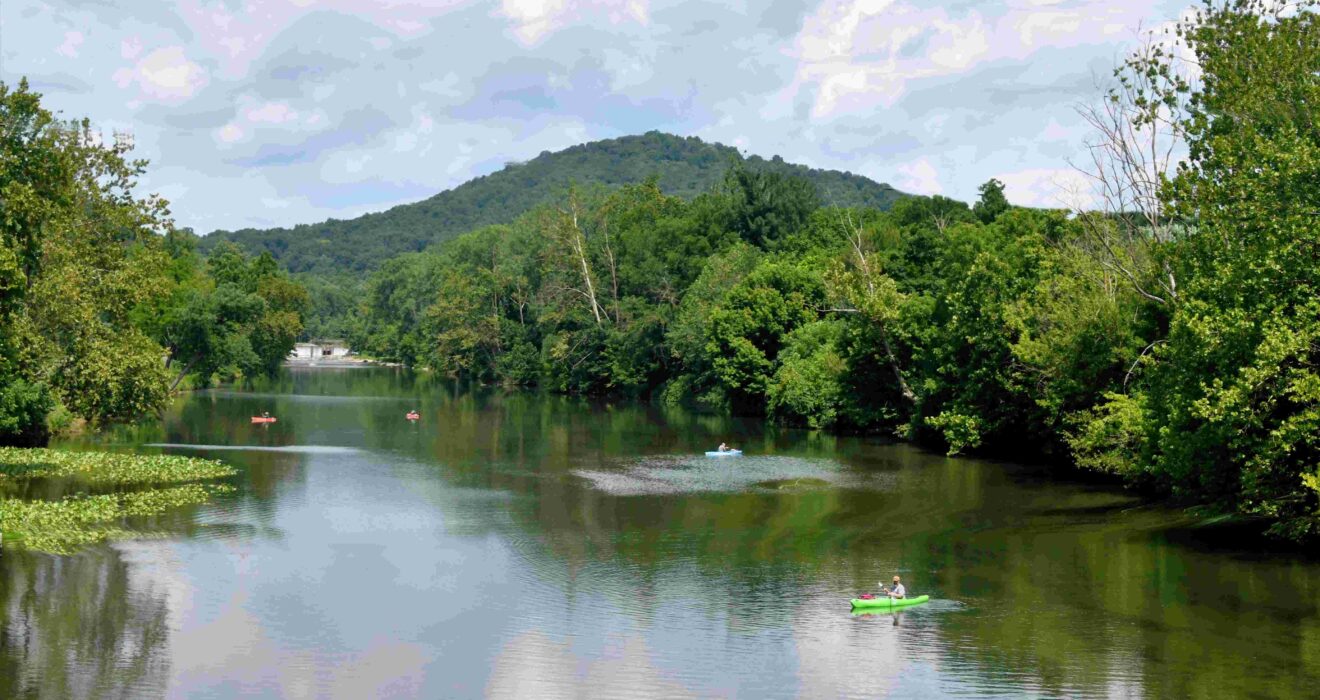
Cookeville welcomes a short, information-dense stroll if the day starts early; the air is cool, the streets are light on traffic, and cafés are only just opening. In this setting, things to do in Cookeville TN gather naturally into an outdoors-first plan, then a compact downtown walk. Who is it for, what and where, when and why, how to pace it — all resolved by noon.
Things to Do in Cookeville TN: Outdoor Start
A morning often begins on a greenway where shade still lingers at 9 a.m.; joggers pass by in pairs, then peel off toward trail spurs. The terrain is gentle, almost conversational, yet it asks for attention after last night’s rainfall, which can leave shallow puddles along the edges. The path is less about miles and more about noticing how the town’s edges meet their trees and creeks.
Water features are a reason to slow down. A small overlook can carry a faint spray on breezy days, and in late spring the water runs louder. Morning light falls at an angle that brightens lichens and signage, a modest visual cue that the day is moving and you should, too.
Trail and overlook checklist
- Greenway access close to parking, with flat first minutes for warmup.
- Short spur to a water view; watch footing after rain, especially on roots.
- Benches or rails for a pause; carry water, the path can feel longer in heat.
- Wayfinding signs near junctions; confirm return time to keep the plan on track.
If the weather leans humid, steps feel heavier by 10 a.m., so a measured loop is better than an out-and-back. That choice reduces the urge to keep pushing deeper into the corridor. A loop also gives small variety: different storefront backdrops as you reenter town, different tree lines, different crosswalk timing. The morning, almost without notice, is already half spent.
Depot, Downtown and Small Museums
 The transition from trail to streetscape is brief. Brick and timber tell the town’s rail story even before the plaques do; a hand on sun-warmed brick confirms the hour more accurately than a screen. A small plaza might be setting out sandwich boards, and gallery lights are switching on, which is a subtle invitation to pause. The rhythm is not ceremonial, it is day-to-day.
A museum room favors close looking. Labels are short, but they compress names and dates tightly enough that you retrace a paragraph to fix the sequence. You catch yourself about to skim, then do not; an engine photo, a uniform patch, a ticket stub insists on slower reading. The result is not grand revelation so much as orientation — how movement and industry built a town and kept its timetable.
Murals and shop windows round off the circuit. Storefront glass reflects clouds that have thickened since morning, meaning temperature may dip slightly with the breeze. That shift nudges a decision: continue a block farther for an architectural detail, or pivot toward the next stop to keep the schedule. Either option is valid; the route remains legible.
Downtown highlights at a glance
- Depot area with interpretive signage and seating near the platforms.
- Small museums suited to 20–30 minute visits; concise rooms, focused themes.
- Murals along cross streets; photograph early to avoid reflections.
From morning to noon, the outline holds
This outline favors an unhurried pace with a midday finish. Times are approximate. Adjust the plan if cloud cover lingers or the sun builds faster than expected.
- 08:15–08:45 — Greenway warmup. Begin with a flat segment; confirm the loop option and set a return point at the first bridge.
- 08:45–09:20 — Spur to water view. Step carefully where roots hold moisture; the overlook is best when the light is still angled.
- 09:20–09:35 — Return via alternate branch. Choose a different exit to vary scenery and reenter near the depot, not the lot.
- 09:35–10:05 — Depot exterior and plaza. Read plaques, check the timetable display, take a short sit if benches are free.
- 10:05–10:35 — Museum stop. One concise collection is sufficient; note hours at the door, as staffing may shift midweek.
- 10:35–11:00 — Murals and side streets. Photograph quickly if clouds thicken; reflections rise with brighter noon light.
- 11:00–11:30 — Antiques row or second small room. Choose based on energy and shade; if humidity rises, shorten the segment.
The order above is flexible. If the plaza hosts an event set-up, reverse the first two blocks and begin indoors, then shift outdoors as the air clears. If a child in the group tires early, compress the murals segment and hold the museum for next time. The only fixed idea is the end time, not the path taken.
Practical Rhythm for a Short Visit
Footwear matters more than distance. Sidewalk seams, small slopes into curb cuts, and the occasional brick patch make soft midsoles preferable, even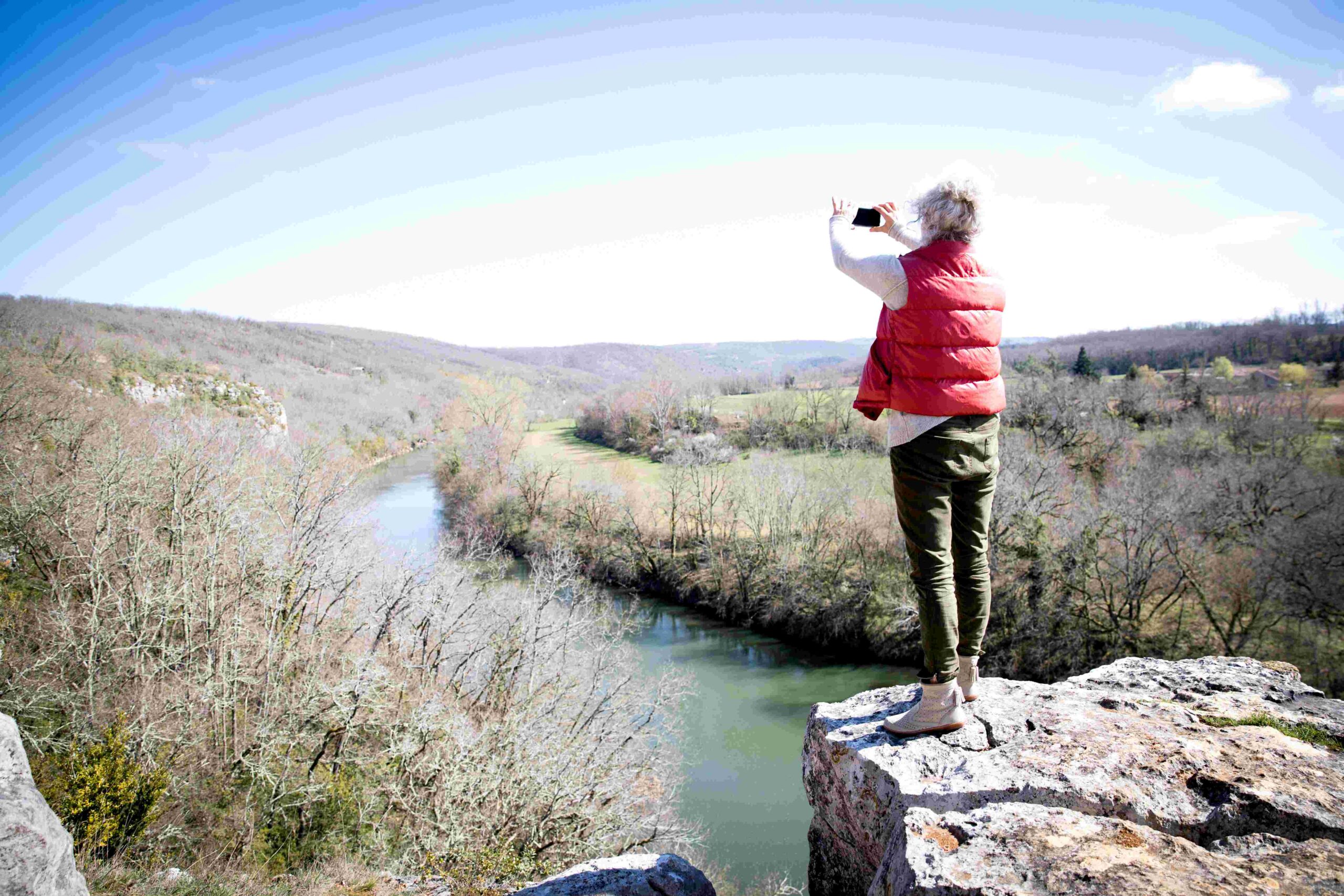 for a plan that barely reaches three miles. A hat is useful when cloud edges thin around 10:30, yet a light layer helps at 8:00 when shade collects along north-facing walls. These are minor adjustments that prevent small discomforts from scaling up.
Parking choices influence how the loop feels. A spot near the depot simplifies the downtown half but lengthens the first walk; a lot closer to the greenway reverses that trade. You might think it trivial, then reconsider after crossing the third signal in a row. The best choice is often the one that reduces backtracking when attention is fading near noon.
Local tempo shows in small gestures. A volunteer unlocks a side door a minute early, a maintenance cart hums by and lets you pass first, a staff note on a whiteboard mentions new labels arriving later this week. These details are ordinary and, precisely for that reason, they anchor the visit. A town’s routine is not background; it is the foreground that makes a short route feel complete.
Compact prep list for the morning plan
- Comfortable shoes with grip on damp roots and brick.
- Refillable bottle; fountains may be inside facilities rather than outdoors.
- Phone clipped or pocketed to free hands on rails and steps.
- Small bills or card for modest museum donations where applicable.
The loop closes where it began, and the map you carried in memory compresses into a neat arc. You notice the earlier shade has shifted and the plaza tiles are brighter; a small confirmation that the timetable worked. The town feels larger than the distance walked, which is the mark of a good morning route, and a reason to hold the afternoon for whatever comes next. If energy remains, pause for a last photo near the tracks. Light changes quickly by noon.