

For a compact look at retail in Cookeville TN, antique and vintage shopping serves as a clear entry point. In practical terms, visitors encounter a multi-vendor format, aisle-based exploration and a broad mix of objects that reward slow browsing. Who benefits, what to expect, where the main focus sits, when a short visit makes sense, why categories help, and how to pace the circuit are outlined below in neutral, reference style.
Retail in Cookeville TN — structure and focus
A typical multi-vendor antique mall concentrates diverse goods under one roof, organized by booths that reflect each seller’s curation. That format makes the visit legible: separate displays, a shared checkout, and predictable pathways. The emphasis falls on antiques, collectibles and decor items, with handcrafted pieces appearing in some sections. The arrangement favors lingering without pressure, which suits travelers moving between morning errands and an afternoon drive. The tone is everyday rather than event-like, and the experience is built from incremental finds rather than a single centerpiece purchase.
What the multi-vendor layout implies
- Variety at aisle level: each booth presents a distinct theme or period.
- Shared navigation: signage and open corridors support a relaxed loop.
- Centralized payment: a simple end step after browsing several booths.
A glass shelf catches morning light and throws small reflections across enamel tins. Inventory moves through routine steps — intake, staging, pricing, refresh — so displays feel full yet readable. Within Cookeville, this format appears as an indoor stop that pairs easily with a downtown stroll. The value lies less in speed than in noticing how different booths frame similar decades.
Cookeville Antique Mall — categories and typical finds
 In this venue, visitors routinely note breadth rather than narrow specialization. The mix spans decorative glassware, old signs, toys, books, clothing and home decor, with handcrafted pieces in some cases. Because booths are vendor-operated, assortments change as items sell and new stock arrives. Prices, where mentioned by reviewers, can vary by booth — a normal effect of individual sourcing and labeling — yet the overall setting supports unhurried comparison.
Snapshot of common categories
- Glassware and small display pieces for shelves or hutches.
- Vintage advertising and old signs for walls or garages.
- Toys and books spanning multiple decades.
- Clothing and accessories with period details.
- Distinctive decor suited to living rooms, dens and offices.
- Handcrafted items in select booths, depending on seller rotation.
A visitor pauses at a case of pressed glass, then shifts to a rack of lettered signs with weathered paint. The process is simple — scan, compare, return later if needed — which fits a midday schedule. In Cookeville’s indoor environment, weather has little impact on the route. The small satisfaction comes from pairing an object’s patina with a specific corner at home.
Reading the floor: pacing, behavior, and small efficiencies
Micro-observations help a short visit feel complete. Late morning often means steadier aisles and faster help at the counter; early afternoon can bring a small uptick in browsers. Groups that split by interest — books to the left, glass to the right — cover more ground, then reconvene to compare notes. A simple plan works best: one slow pass for discovery, a second brief pass for decisions. If an item seems promising but uncertain, noting booth number and location prevents backtracking.
Neutral pacing checklist
- Start with a clockwise loop to learn the floor and spot anchor booths.
- Photograph a tag for later reference; compare similar items on the second pass.
- Handle glass and smalls carefully, returning each piece to its exact position.
- Keep hands free; a small tote reduces trips to the counter.
- Revisit only the top two booths to maintain time discipline.
A narrow aisle opens into a wider cross-section where lighting changes and colors read truer. The routine remains consistent — browse, ask, decide — and staff assistance appears without hovering. Within town, this stop often pairs with a nearby errand. The outcome is typically modest: one or two objects that fit a shelf, a frame that anchors a hallway.
Vintage shopping Cookeville — context for a balanced route
Within a half-day outline, antique browsing aligns with other simple tasks: a museum hour, a downtown walk, or a short café stop. Because booths are individually managed, restocking can create minor day-to-day shifts in selection; that variability is part of the appeal. Visitors who prefer certainty can set a time limit for each aisle, while collectors may accept slower pacing to compare editions, stamps or maker’s marks. The key is to avoid treating the venue like a checklist. A steady pace preserves attention for small details that distinguish one decade from another.
Selection cues that merit a closer look
- Uniform sets without missing pieces.
- Original labels, tags or trademarks on the underside.
- Clean edges on prints and posters with minimal warping.
- Consistent wear patterns that match age claims.
- Repair traces disclosed on the tag rather than hidden.
A painted toy car sits next to a stack of clothbound books; the juxtaposition pushes you to decide which story you want to bring home. Transactions remain straightforward — a tag, a price, a checkout — and any questions route to staff who can page a vendor if needed. In Cookeville’s routine flow, this creates a neat stop that rarely overruns the clock. The memory often lasts longer than the receipt.
Visitor etiquette and care for items
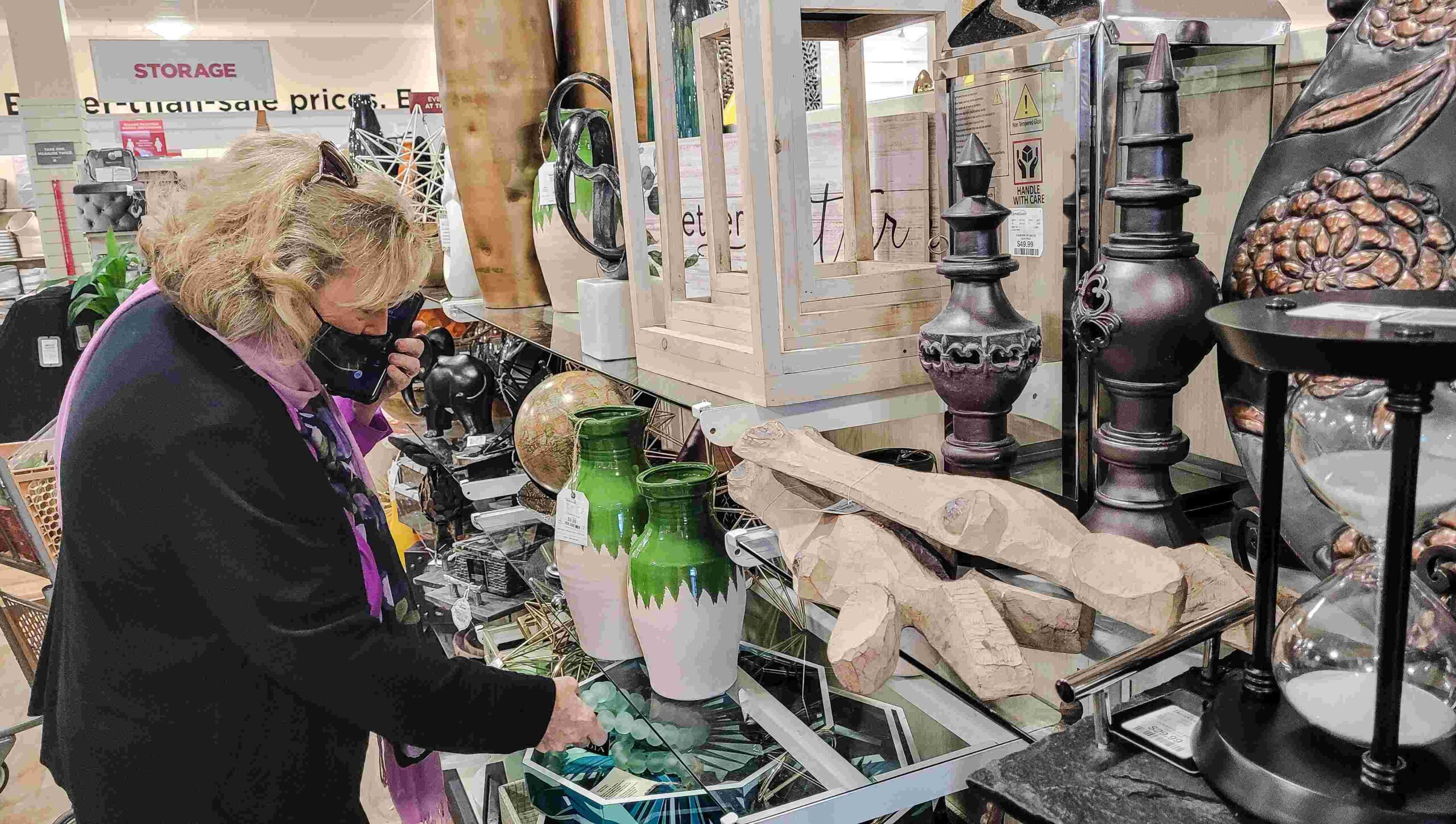 Antique and vintage goods carry age, and handling should reflect that. Lifting by the base rather than the rim protects glass. Paper ephemera belongs on a flat surface while reading, not in midair. Clothing with delicate seams benefits from minimal tugging at hangers. If an item feels unstable, request assistance before moving it. These baseline courtesies speed the visit for everyone and reduce accidental wear.
Care prompts while browsing
- Use two hands for heavier decor and framed pieces.
- Keep beverages sealed away from merchandise.
- Return items exactly as found to maintain booth order.
- Note any defect on a tag and reference it during checkout.
- Transport purchases in firm boxes or padded sleeves.
A tray of smalls sits near the register where foot traffic narrows. The transaction is quick — wrap, bag, sign — and the flow resumes. Inside the city’s day pattern, this is a low-stress errand. The satisfaction comes from fit: the right glass on the right shelf, the right sign on the right wall.
Cookeville Antique Mall — summary for planners
As a concise reference, the venue functions as a dependable indoor stop with multi-vendor breadth, friendly assistance and merchandise that ranges from glassware and toys to books, clothing and decor. The layout rewards unhurried browsing and simple two-pass pacing. Because stock rotates by booth, repeat visits often yield new combinations of the same eras, sustaining interest without requiring a long drive or a full day. The experience is ordinary in the best way: shelves, tags, small decisions that add up to a finished corner at home.